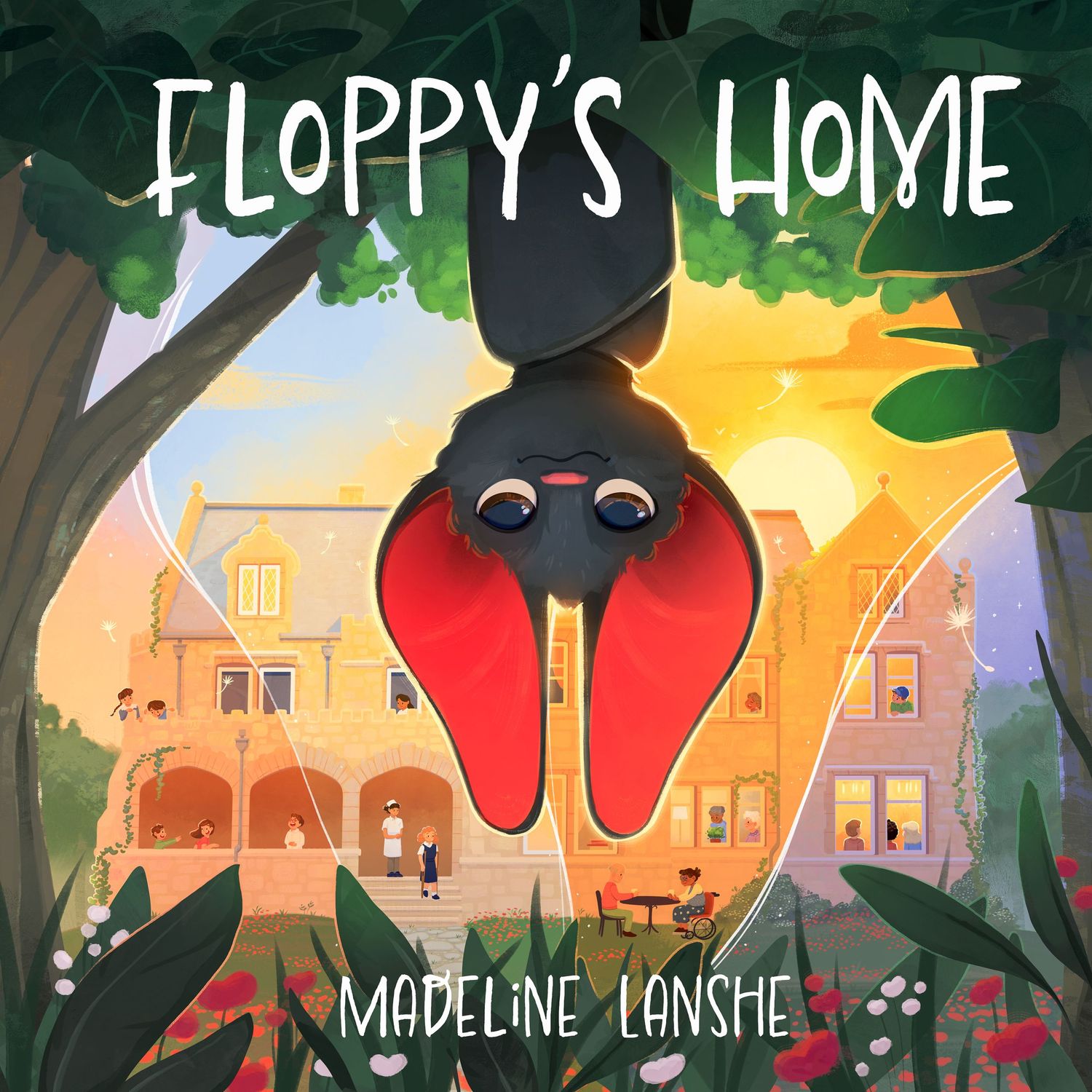
Floppy's Home
Floppy, a friendly bat, lives in a grand house with a loving human family. He spends his evenings playing with the five children and enjoying the wonder of their home. After the family moves away, Floppy must learn to embrace each new chapter of his life as the house transforms into a school infirmary, an assisted living facility, and finally, a restaurant. Though it can be challenging, and sometimes lonely, he is able not only to find joy in life’s changes, but bring joy to the lives he touches.
Francesca Papini
The hands that brought floppy to life
Francesca Papini
Francesca was born in Trieste, Italy, where her passion for art was first nurtured by her grandfather, a painting teacher at a local university for elderly people. As a self-taught artist, Francesca completed numerous online courses and attended weekly life drawing sessions for over a year. Today, she works as a professional illustrator, blending light, atmosphere, and organic elements to create visually rich, evocative work. She also enjoys climbing and immersing herself in nature.
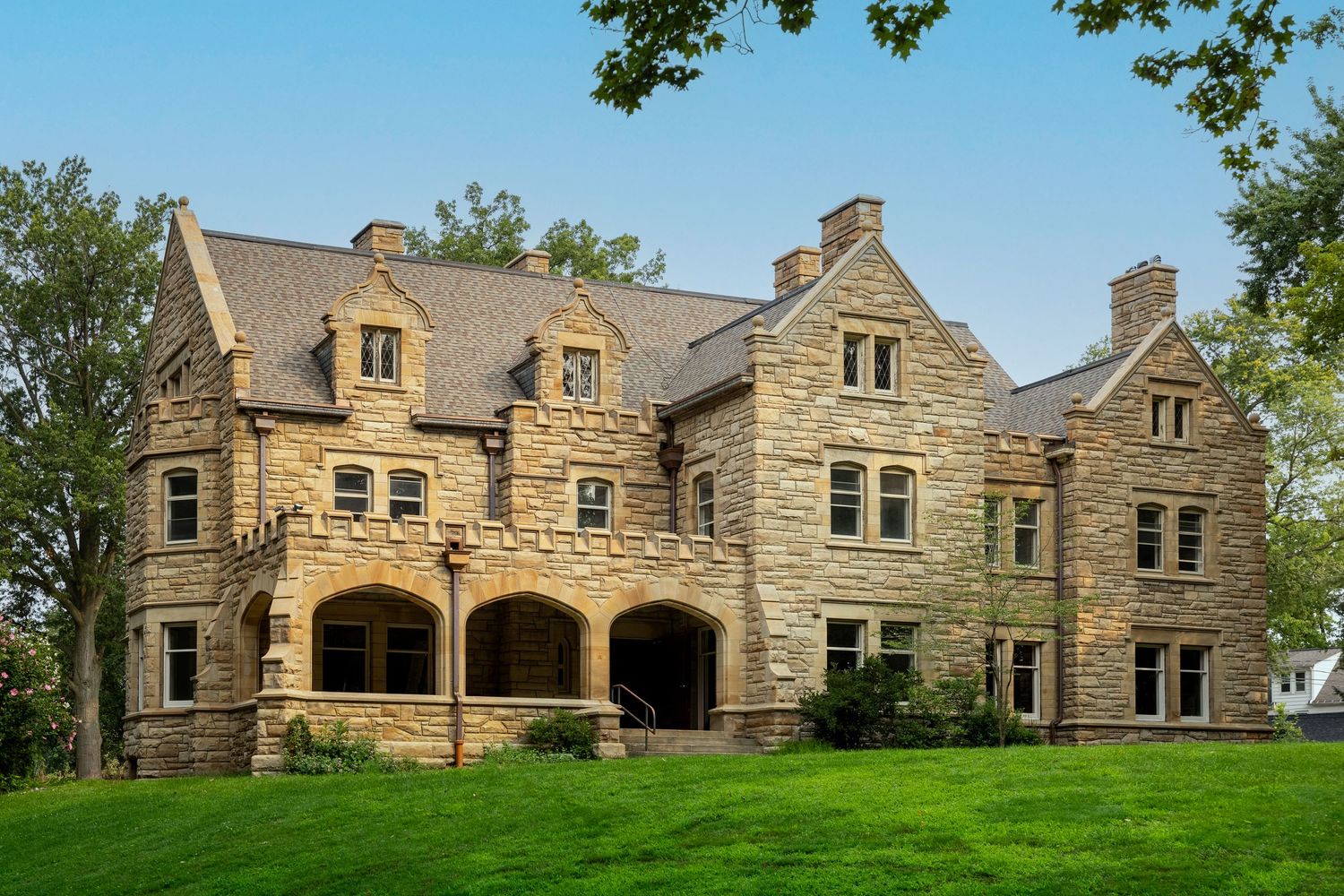
Photo by Nick Hoeller
A Historic Ohio Landmark
The majestic house in which the story takes place is based on a real manor in Willoughby, Ohio. Just like the story, the house was first a family home, built in 1902. When the family eventually moved, it was donated to the Andrews School for Girls to act as an infirmary. Later, it was repurposed as an assisted living facility known as the Van Gorder Manor, after which it remained empty for several years.
I came into the picture as the manor was being renovated to become a restaurant/inn. I was part of the preliminary team during the renovations, and for some time after the restaurant and inn opened in April, 2024.
While I was snapping photos of the construction, Pat – the head of the construction team, and my friend – told me there had been a bat living in one of the third-floor rooms. I asked him what the bat’s name was. He said, off the cuff, “Floppy.” That was the moment I knew I wanted to write a children’s book about an adorable bat living in the historic house as it transformed throughout the years.
I had the opportunity to meet Joan, the great-granddaughter of Julia French Boyce (the woman who commissioned the house to be built), and the oldest living relative of the original family. I drew inspiration from some of the stories she told, including children roller skating in the basement, playing “Elevator” with the pocket doors, and climbing up the laundry chute where they hid while playing hide-and-seek. My favorite story was about Albert Van Gorder, her grandfather, taking his children to the garden and eating watermelon in the moonlight.
“Some of us have said that this house was built for children, because there was so much for us to do,” she said. Such a statement fanned the flames of the story already forming in my mind.
I feel honored to have been a tiny part of the new chapter in the history of this house, and to have met Joan. I hope, if she ever sees this book, it brings her joy, and reminds her fondly of the past, even if it is through the eyes of a floppy-eared bat.